
How to Debrief and Optimize Your Small Business to New Heights
My small business leaders… This is not a casual topic.
This is leadership discipline.
Most small business owners are not failing because they lack talent.
They are stuck because they don’t pause long enough to evaluate
what’s actually happening.
They are running fast — but blind.
Debriefing is the difference between motion and mastery.
In this blog post, let’s elevate your thinking.
Ready to take flight?  Let’s go!
Join the Time Recovery Letter below:
The Hard Truth: Growth Without Reflection Is Chaos
Imagine this:
A small business owner named Marcus runs a six-figure service company.
Sales are steady.
His team is busy.
His calendar is packed.
But he feels exhausted.
When asked, “What specifically is working in your business?”
He pauses.
When asked, “What specifically is draining margin and time?”
He guesses.
That’s the danger.
Without debriefing:
- You repeat mistakes.
- You tolerate inefficiencies.
- You mistake busyness for progress.
- You scale complexity instead of clarity. Learn more
Debriefing is not a weakness.
It is strategic intelligence.
Step 1: Redefine Debriefing (It’s Not Just Reviewing Numbers)
A true business debrief answers three core questions:
- What actually happened?
- Why did it happen?
- What must change now?
This goes beyond revenue reports.
It examines:
- Time usage
- Energy drain
- Team performance
- Decision quality
- Process bottlenecks
- Owner dependency
The Debrief Cycle Model
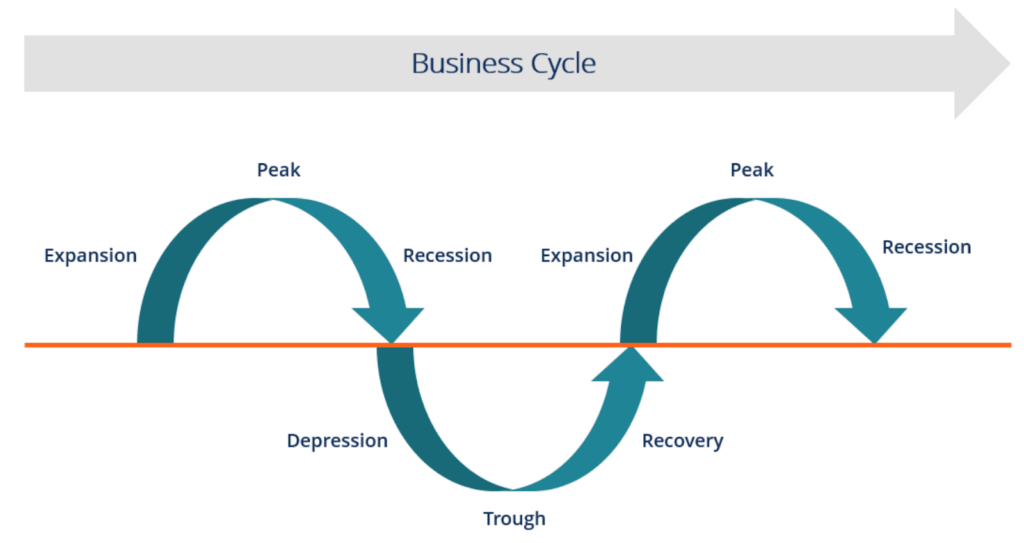
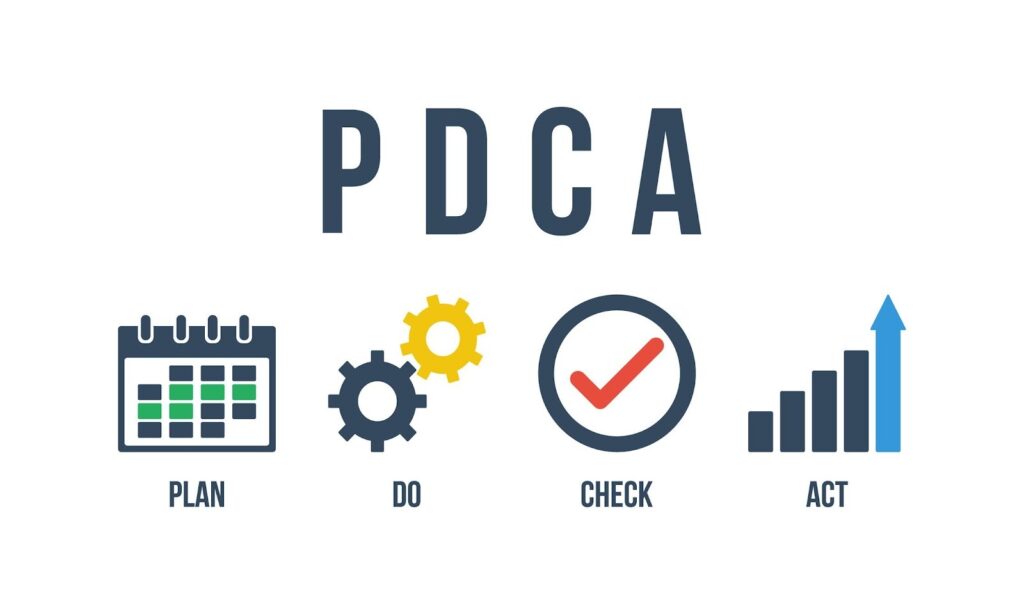
Cycle Breakdown:
- Plan
- Execute
- Debrief
- Optimize
- Rebuild stronger systems
Most owners skip step 3.
That’s why they stay stuck.
Step 2: Conduct a 30-Day Performance Debrief
This is where awareness rises.
Set aside 90 uninterrupted minutes.
Not in crisis.
Not in panic.
Not after a bad day.
Calm review creates accurate insight.
Review These 5 Areas:
1. Revenue & Margin
- Which offers produced the highest margin?
- Where did discounting creep in?
- What customers required the most hand-holding?
2. Time & Owner Involvement
- What tasks did you personally handle that someone else could?
- Where did your week leak hours?
- What meetings could have been eliminated?
3. Team Execution
- Who exceeded expectations?
- Who requires clearer systems?
- Where are the instructions unclear?
4. Customer Experience
- Where are complaints surfacing?
- What feedback repeats?
- What part of the journey feels confusing?
5. Emotional Climate
- Where did stress spike?
- When did you feel most in control?
- What decision are you avoiding?
This is where solutions begin surfacing from within.
You don’t need more information.
You need structured reflection.
Step 3: Identify Bottlenecks (The Silent Profit Killers)
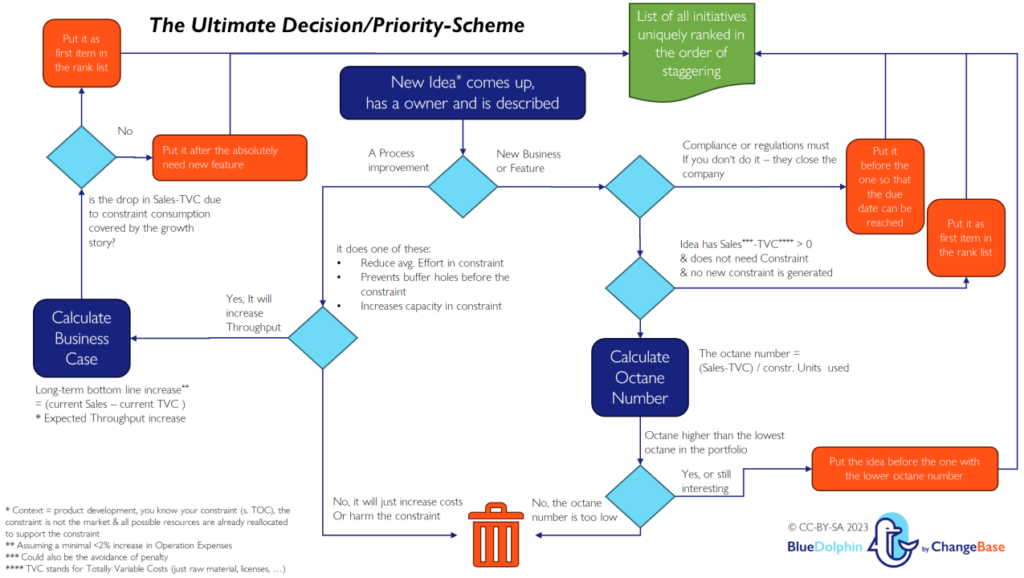
Every business has one primary constraint at any given time.
It may be:
- Lead generation
- Sales conversion
- Fulfillment capacity
- Hiring quality
- Owner time
Until the constraint is addressed, growth stalls.
Bottleneck Awareness Chart
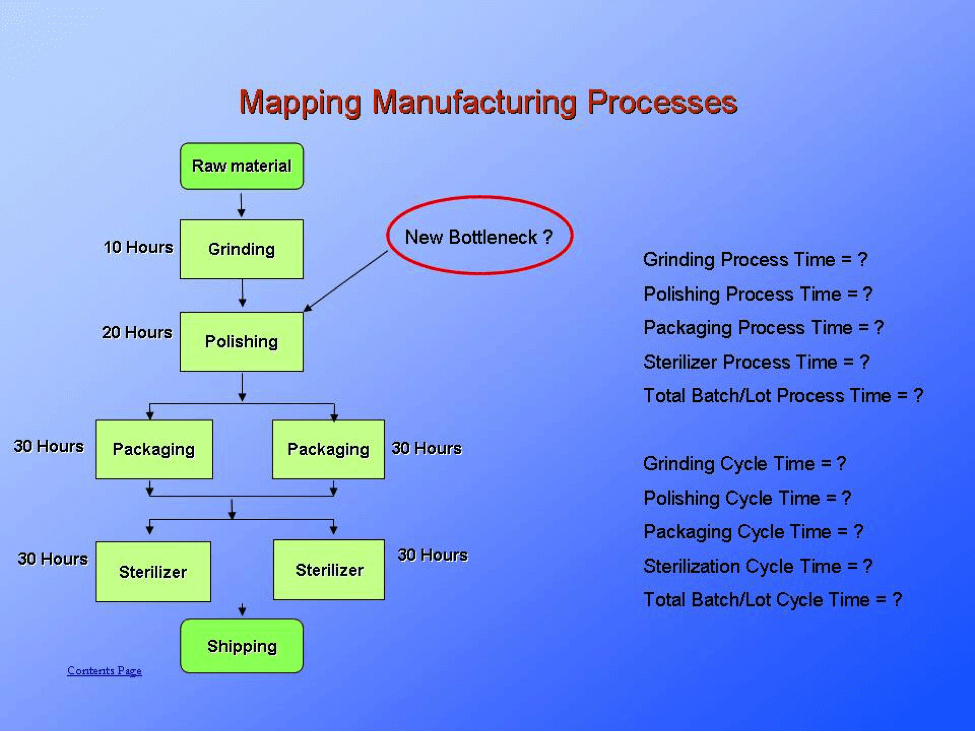
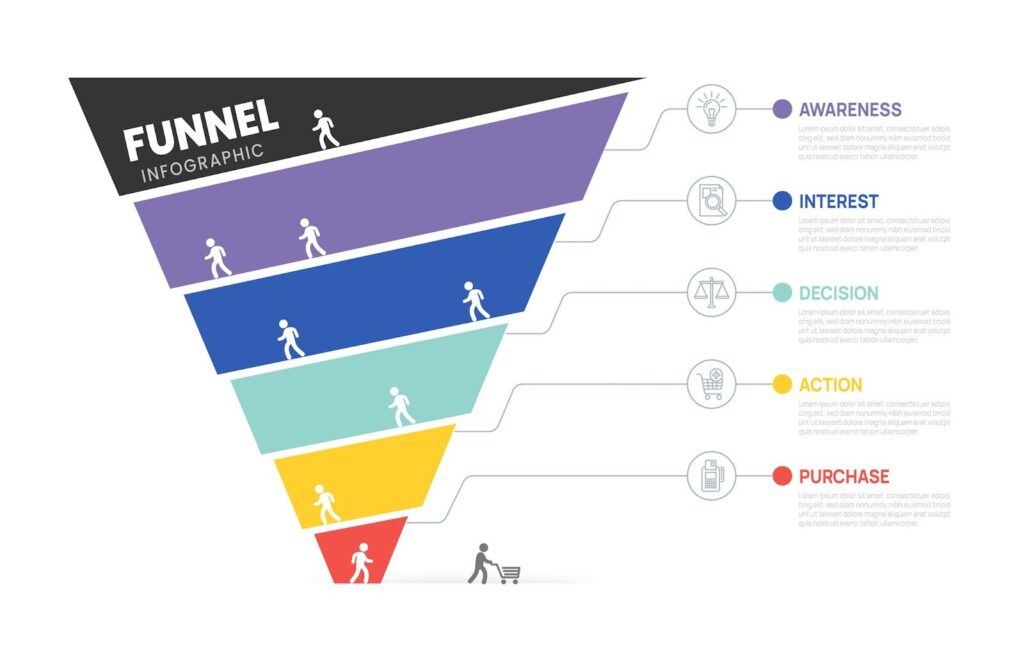
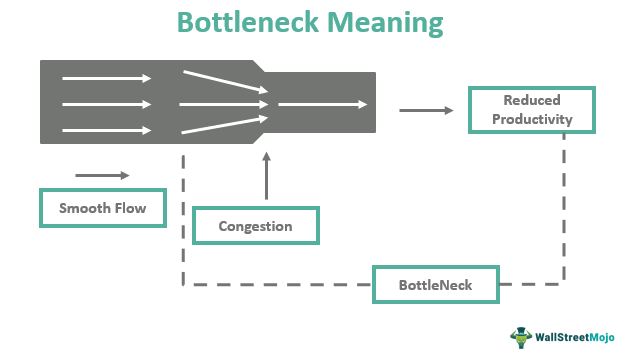
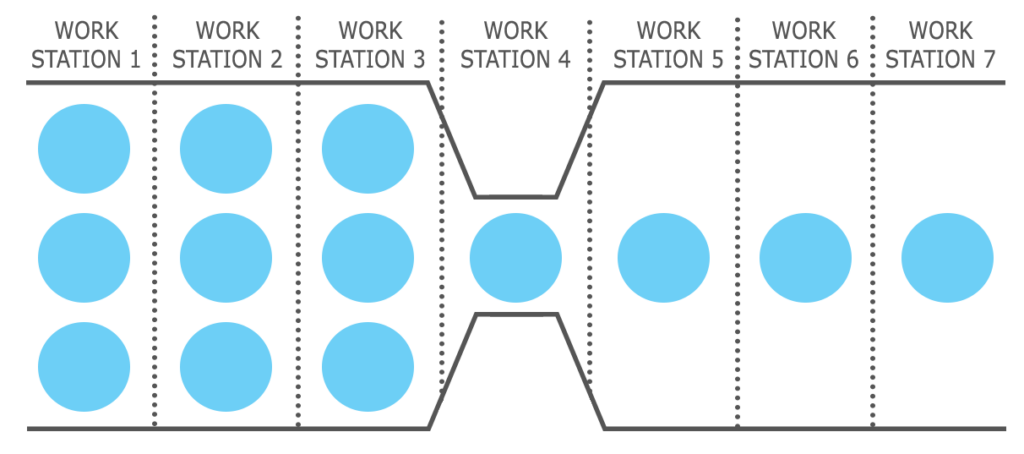
Notice this principle:
When one stage weakens, pressure builds behind it.
More leads won’t fix poor fulfillment.
More marketing won’t fix weak offers.
More hustle won’t fix unclear systems.
Optimization is about precision — not pressure.
(AD)

Overwhelmed by the chaos in your small business?

Local banks turned down your small business idea?
Step 4: Extract the Hidden Wins
Most leaders focus only on problems.
That is a psychological mistake.
A powerful debrief also asks:
- What worked extremely well?
- What surprised us positively?
- Which systems required minimal supervision?
- Where did momentum feel natural?
Optimization is amplification.
You don’t rebuild everything.
You double down on what’s already strong.
Marcus (remember him?) discovered something powerful in his debrief:
His referral clients closed at 72% conversion.
Cold leads closed at 18%.
He was spending 80% of his energy on cold marketing.
That single insight reshaped his strategy.
This is how to debrief and optimize your small business to new heights
Step 5: Upgrade Systems, Not Effort
Here’s the transformation moment.
Most business owners respond to problems with effort.
But mature leaders respond with structure.
Effort-Based Thinking:
“I need to work harder.”
System-Based Thinking:
“What process is missing?”
Effort vs. System Optimization:
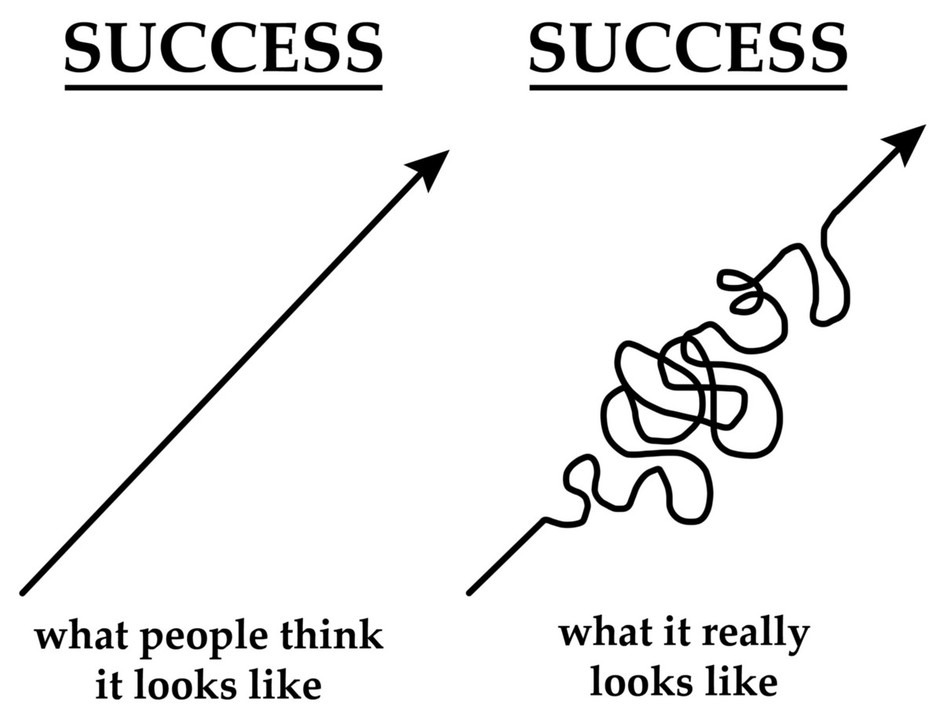
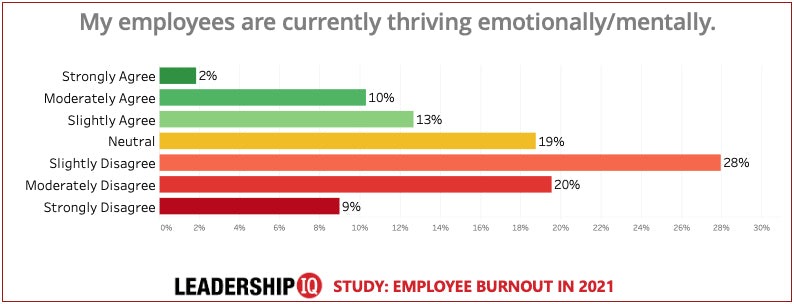
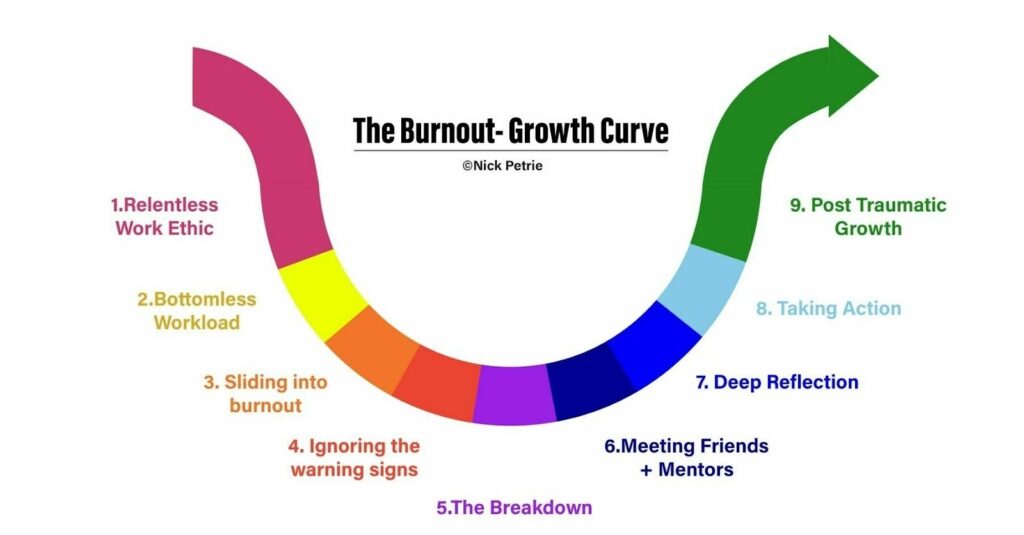
Effort spikes temporarily.
Systems compound permanently.
Optimization means:
- Clear SOPs (Standard Operating Procedures)
- Defined decision rules
- Delegation clarity
- Automated follow-up
- Calendar protection
- Revenue tracking dashboards
You don’t scale chaos.
You scale structure. Learn more
Step 6: Ask the Empowering Optimization Questions
Now we pull solutions out of them.
During your next debrief, ask:
- If I had to cut 20% of activity tomorrow, what would go?
- If I could only keep 20% of clients, who would they be?
- What part of the business would thrive without me?
- What decision have I delayed that would create relief?
- Where am I tolerating mediocrity?
Awareness creates courage.
Courage creates clarity.
Clarity creates freedom.
Step 7: Create a 30-Day Optimization Sprint
After debriefing, do not implement 17 changes.
Choose 1–3 leverage points.
For example:
- Remove yourself from scheduling
- Raise pricing for low-margin service
- Replace one underperforming system
- Standardize onboarding
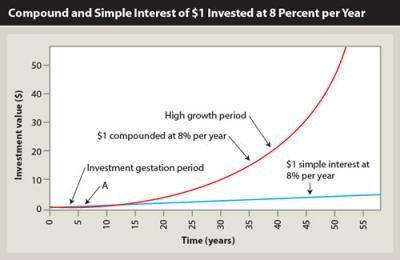
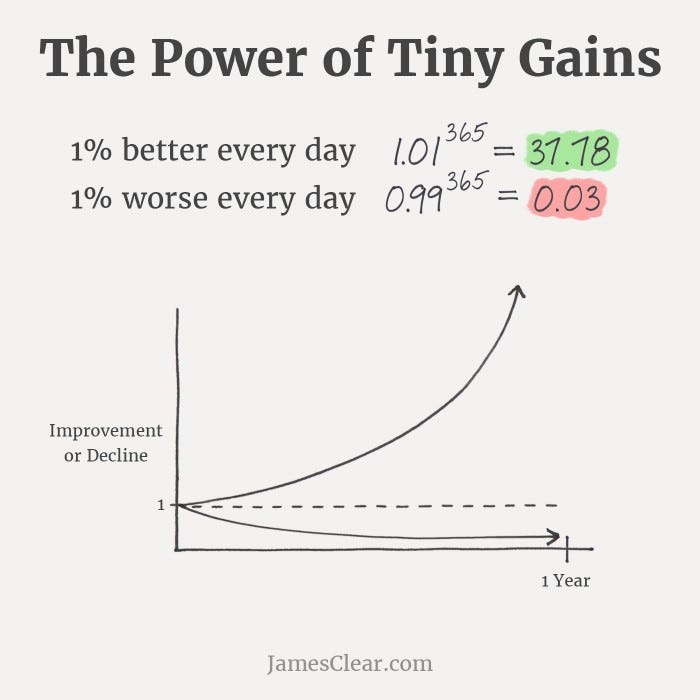
Small, precise improvements compound.
Compounding Optimization Effect
A 5% improvement across:
- Pricing
- Conversion
- Efficiency
- Retention
Does not equal 5% growth.
It multiplies.
Optimization is exponential.
(AD)

You may have clarity which is good. But , just clarity alone, won’t do!

Seeking a way to draw in your ideal customers?
Join The Time Recovery Letter Below:
The Emotional Shift Leaders Must Make
Here’s the deeper layer.
Debriefing requires humility.
It forces you to admit:
- That some strategies aren’t working.
- That you’re over-involved.
- That some team standards are unclear.
- That busyness has masked inefficiency.
But this is not defeat.
It is maturity.
Calm review is a power move.
A panicked reaction is weakness.
A Simple Monthly Debrief Framework
Schedule it.
Protect it.
Lead it.
The 60-Minute Structure:
15 Minutes – Numbers
Revenue, margin, expenses, sales conversion.
15 Minutes – Operations
What broke? What lagged? What repeated?
15 Minutes – Leadership
Where did you overstep? Where did you hesitate?
15 Minutes – Optimization Decision
What ONE change creates the highest leverage next month?
That’s it.
No overwhelm.
Just direction.
Follow Me On Instagram: Derrick M./@blogeducator:
Follow Me On LinkedIn: Derrick M.
The New Height You’re Really Seeking
Most small business owners think “new heights” means:
- More revenue
- More clients
- More expansion
But what they truly desire is:
- More time
- More peace
- More predictability
- More authority
Debriefing gives you that.
Because clarity removes emotional chaos.
And emotional chaos is the silent killer of small businesses.
Final Awareness Shift
If you never debrief, your business runs you.
If you debrief consistently, you run the business.
The difference between overwhelmed founders and powerful owners is not intelligence.
It is a reflection discipline.
My friend, this blog post will not just inform.
It will reposition the way you think and see your small business.
Because when a leader sits down calmly, reviews with honesty, and optimizes with precision…
They stop reacting.
They start leading.
And that is when new heights become inevitable.
The End.
Thanks for your time.
Best regards,
Derrick M./Small Business Strategist
Join The Time Recovery Letter Below to Better Protect Your Time:
Leave a Reply