
Why Working Harder Weakens Business?
There’s a dangerous lie floating around the small business world.
It sounds noble.
It sounds disciplined.
It sounds like leadership.
The lie is this:
“If I just work harder, everything will get better.”
But here’s the truth:
Working harder is quietly draining the life out of your business.
And if you don’t catch it now, your business won’t collapse from lack of effort…
It will collapse from too much of it.
Here today, in this blog post, I going to show you why working harder weakens your small business from outdated mindshifts.
Ready to break the mental chains? 
Join The Time Recovery Letter
The Hustle Trap: A Story Too Many Founders Know
Let me tell you about Marcus.
Marcus owns a growing service company.
He wakes up at 5:00 a.m.
Answers emails before sunrise.
Handles client issues.
Approves payroll.
Fixes team mistakes.
Closes sales.
Solves tech problems.
He is the engine.
And at first, that feels powerful.
But six years later?
He’s exhausted.
His margins are shrinking.
His team depends on him for everything.
His family sees him less.
His calendar owns him.
Marcus isn’t weak.
He’s working harder than ever.
And that’s the problem. Learn more
Hard Work Feels Productive — But It Often Masks Structural Weakness
Here’s what most small business owners don’t realize:
When you work harder, you compensate for broken systems.
You fill in gaps.
You cover inefficiencies.
You become the glue.
And because the business “survives,” you assume the model works.
But survival isn’t strength.
We as small business owners must distinguish between the two.
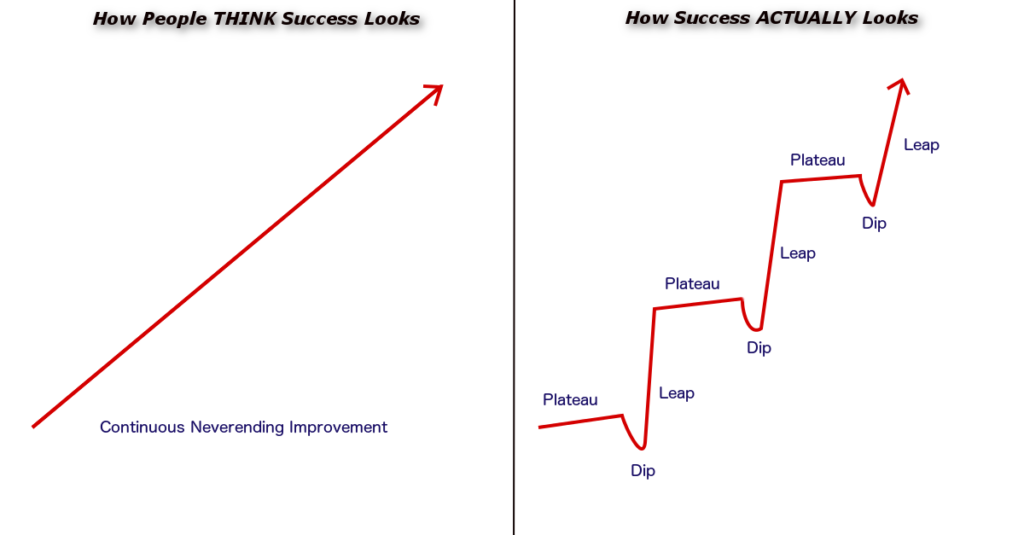
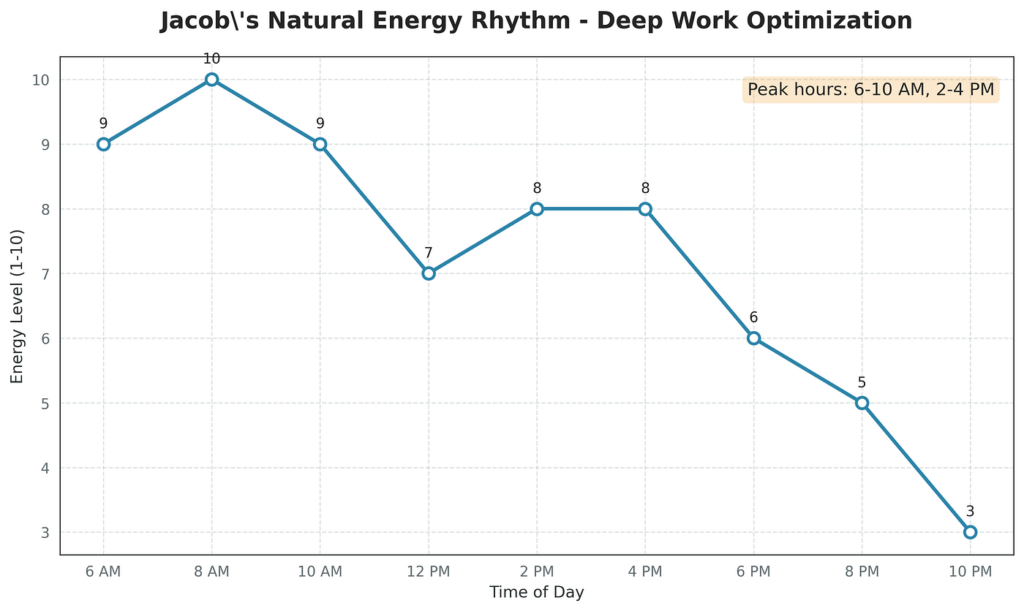
Graph 1: The Illusion of Effort vs. Business Strength


Imagine this simple reality:
- Hours worked: Increasing every year
- Revenue growth: Flattening
- Profit margins: Shrinking
- Stress levels: Exploding
That’s not scaling.
That’s slow erosion.
1. When You Work Harder, You Delay Real Solutions
Let’s get direct.
When you work harder, your small business tends to weaken
If your marketing system is inconsistent…
You compensate by chasing referrals.
If your team lacks clarity…
You jump in and fix everything.
If operations are messy…
You stay late and “clean it up.”
But here’s the painful truth:
Every hour you personally compensate is an hour you avoid building a system.
And systems are what create strength.
Working harder feels responsible.
But often, it’s avoidance disguised as leadership.
2. Your Business Becomes Dependent on Your Energy
Here’s the most dangerous pattern:
You become the central nervous system of the company.
Nothing moves without you.
Nothing gets approved without you.
Nothing gets solved without you.
Let me ask you something that may sting:
If you disappeared for 30 days, would your business survive?
If the honest answer is no…
You don’t own a business.
You own a job with overhead. Learn more
(AD)

Overwhelmed By Your Small Business?

If banks can’t fund your small business ideas, let us help!
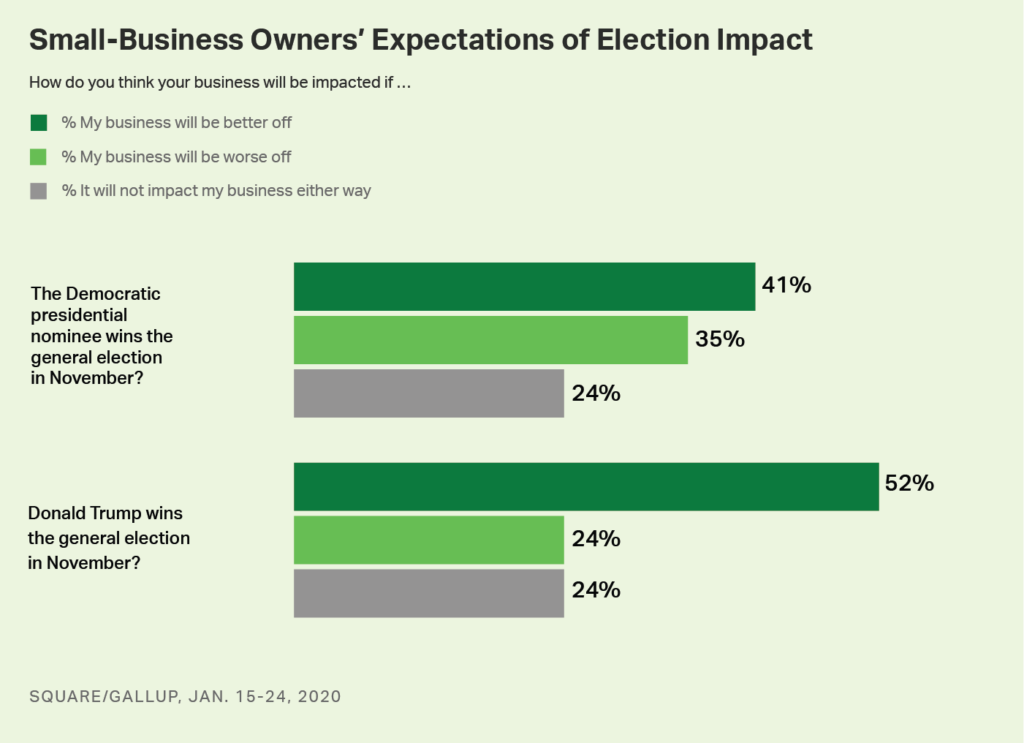
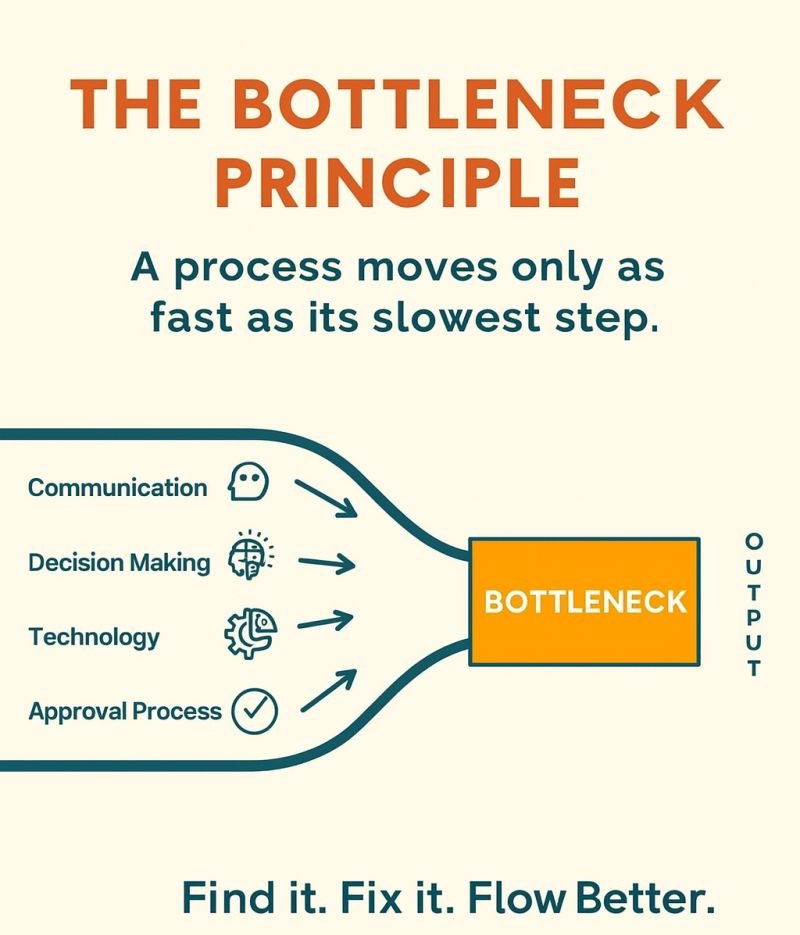
Graph 2: Owner Dependence vs. Business Freedom
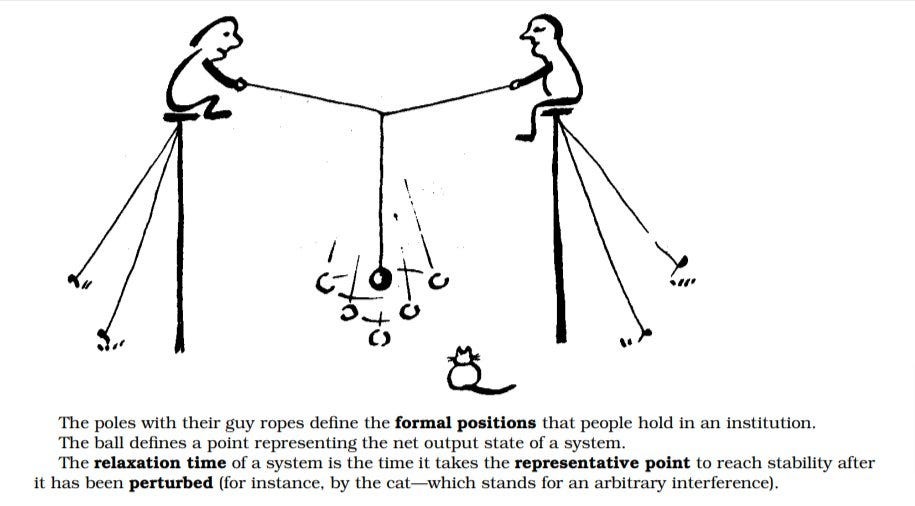
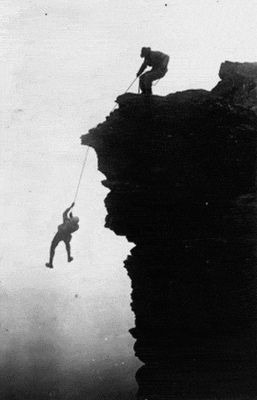
High Owner Involvement =
- Constant approvals
- Reactive decisions
- Bottlenecks
- Burnout
High System Strength =
- Clear processes
- Delegated authority
- Predictable results
- Time freedom
The more you personally carry, the weaker the structure becomes.
3. Working Harder Shrinks Your Thinking
Here’s a quiet cost nobody talks about:
When you’re buried in daily operations, your thinking gets smaller.
You stop strategizing.
You stop innovating.
You stop seeing new opportunities.
Because survival mode consumes creativity.
And a small business without strategic thinking?
It slowly becomes average.
Hard work is tactical.
Leadership is strategic.
If you don’t create thinking space, you trade vision for busyness.
4. Your Team Learns Helplessness
This one hurts.
When you jump in constantly, your team unconsciously learns:
“Don’t worry.
The owner will fix it.”
You think you’re being helpful.
But what you’re actually building is dependency.
Strong businesses create decision-makers.
Weak businesses create waiters.
Ask yourself:
- Do your team members solve problems?
- Or do they escalate everything to you?
If it’s the second one, your hard work has trained them to hesitate.
The Painful Pattern: More Effort, Less Leverage
Let’s make this crystal clear.
| You Work Harder | Business Gets Stronger? |
| More hours | No — just more fatigue |
| More fixing | No — just more reliance |
| More control | No — just more bottlenecks |
| More sacrifice | No — just delayed collapse |
Leverage builds strength.
Effort alone builds exhaustion.
5. Hustle Culture Is Addictive
Be honest.
There’s a part of you that feels important when you’re busy.
Needed.
Valuable.
Indispensable.
But indispensable is dangerous.
If the business cannot function without you, it cannot grow beyond you.
And growth beyond you is the entire point of ownership.
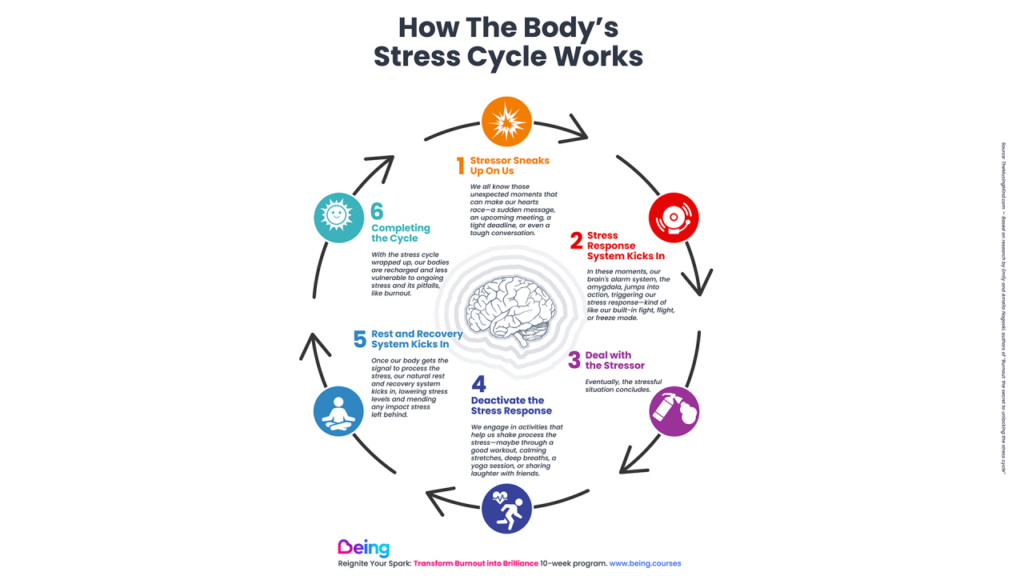
Graph 3: The Burnout Curve
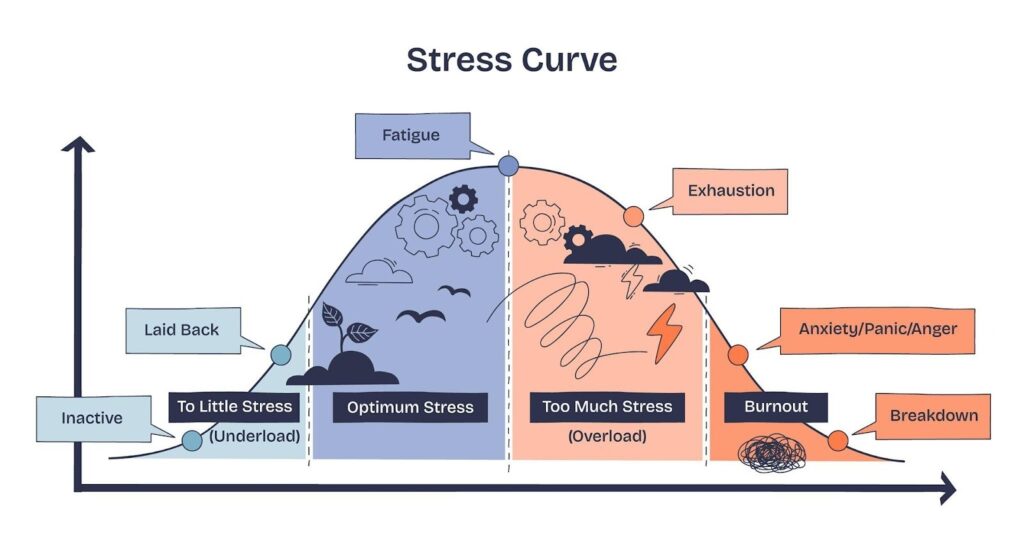
Stage 1: High effort, rising results
Stage 2: High effort, stable results
Stage 3: Higher effort, declining returns
Stage 4: Emotional fatigue, resentment, stagnation
Most founders don’t crash at Stage 1.
They crash at Stage 3.
Because they assume more effort will reverse the trend.
It rarely does. This is why working harder weakens business.
(AD)

Some small business owners are making a powerful change in their business

Seeking a website to expose your brand?
Join The Time Recovery Letter Today!
6. Working Harder Is Often Fear-Driven
This is where we go deeper.
Sometimes we work harder because:
- We fear losing control.
- We fear trusting others.
- We fear revenue dropping.
- We fear looking replaceable.
So we grip tighter.
But control without structure is chaos in disguise.
Real power comes from design, not dominance.
What Actually Makes a Small Business Strong?
Not longer hours.
Not more sacrifice.
Not heroic rescue missions.
Here’s what builds strength:
1. Systems Over Effort
Document processes.
Standardize outcomes.
Reduce decision fatigue.
2. Role Clarity
Everyone knows:
- What they own.
- What they decide.
- What they are accountable for.
3. Owner Elevation
Your job is not to do.
Your job is to design.
You move from:
Operator → Architect
Firefighter → Strategist
Worker → Builder
A Rude Awakening Question
If your business requires 60+ hours from you to survive…
Is it actually profitable?
Because true profitability includes:
- Time margin
- Emotional margin
- Decision margin
- Energy margin
If you have revenue but no margin in life…
The model is broken.
The Ownership Shift
Let’s reframe this completely.
Working harder is a startup survival tactic.
But staying there too long turns it into a prison.
Mature businesses shift from:
Effort → Efficiency
Control → Clarity
Presence → Process
Busyness → Leverage
Follow Me On Instagram: Derrick M./@blogeducator
The Emotional Reality
You didn’t start your business to be trapped by it.
You didn’t choose ownership to become overworked.
You didn’t sacrifice comfort to build a cage.
But if you keep solving everything with effort…
That’s exactly what you’re building.
And one day, exhaustion will make the decision for you.
Either:
The structure collapses under your weight.
You redesign the structure,
or
The structure collapses under your weight.
The Strong Business Formula
Let’s close with something practical.
A strong small business:
✔ Can operate 30 days without owner intervention
✔ Has documented workflows
✔ Has team-level decision authority
✔ Has predictable revenue systems
✔ Has clear financial dashboards
If you’re missing these, working harder won’t solve it.
It will just hide it.
Follow Me On LinkedIn:
The Story Channel:
Turning Point
Marcus eventually hit his breaking point.
One Friday night, after missing another family dinner, he realized something.
He wasn’t building freedom.
He was building dependency.
So he did something uncomfortable.
He stepped back.
He documented.
He delegated.
He redesigned his calendar.
He forced decision ownership onto his team.
He accepted short-term friction for long-term freedom.
Six months later?
Revenue stabilized.
Margins improved.
He worked 15 fewer hours per week.
His team matured.
The business didn’t get weaker when he worked less.
It got stronger.
Hooray for Marcus!
He finally realize, when working harder can weaken his business.
The Bottom Line
Working harder is not leadership.
It’s often compensation.
And compensation hides cracks.
If you want your business to grow stronger this month, here’s your challenge:
Stop asking:
“How can I work more?”
Start asking:
“What structure makes my effort unnecessary?”
That question changes everything.
The End.
Thanks for your time!
Best regards,
Derrick M./Small Business Specialist
Join The Time Recovery Letter Today!
Leave a Reply