
Why Settling Causes Major Financial Illness.
There is a silent disease spreading through the lives of ambitious people.
It doesn’t look dangerous at first.
It feels comfortable.
Safe.
Reasonable.
It’s called settling.
Settling for average income.
Settling for mediocre standards.
Settling for fear-based decisions.
Settling for “good enough.”
And over time, it creates what I call financial illness — a slow deterioration of opportunity, confidence, earning power, and long-term wealth.
This blog post is not soft.
This is the truth your future self is begging you to hear.
Let’s break this down strategically.
Ready?
Let’s go explore! 
Looking to get clarity, recover precious time and freedom?
Join our Time Recovery Letter. Leave your contact details below:
1. What Is Financial Illness?
Financial illness isn’t just being broke.
It’s a condition where:
- Your income stagnates.
- Your skills plateau.
- Your ambition shrinks.
- Your risk tolerance disappears.
- Your confidence declines.
It’s not about income level — it’s about trajectory.
You can make $60,000 a year and be financially healthy.
You can make $150,000 a year and be financially sick.
The difference?
Growth vs. settling.
2. The Psychology of Settling
Settling doesn’t begin with laziness.
It usually begins with fear.
- Fear of failure
- Fear of judgment
- Fear of outgrowing your circle
- Fear of temporary discomfort
Your brain is wired for safety — not expansion.
According to principles introduced by Abraham Maslow, once basic needs are met, most people stop pushing unless they consciously pursue growth.
That’s where settling creeps in.
You reach comfort… and mistake it for success.
This is one reason why  settling causes major financial illness and slowly destroys your future.
3. The Financial Cost of Settling
Let’s get practical.
Here’s what settling actually does to your income over time.
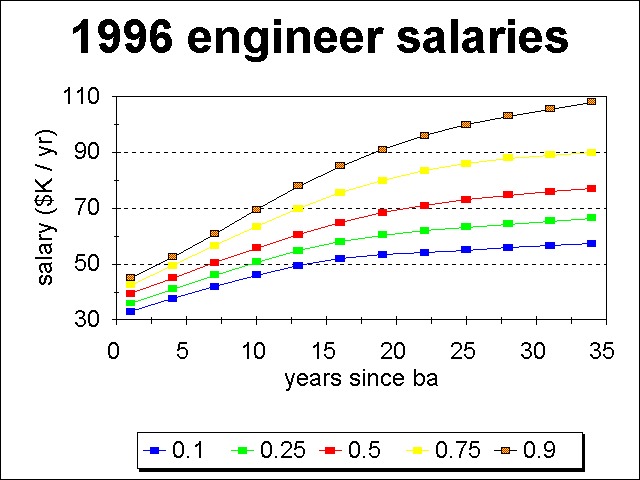
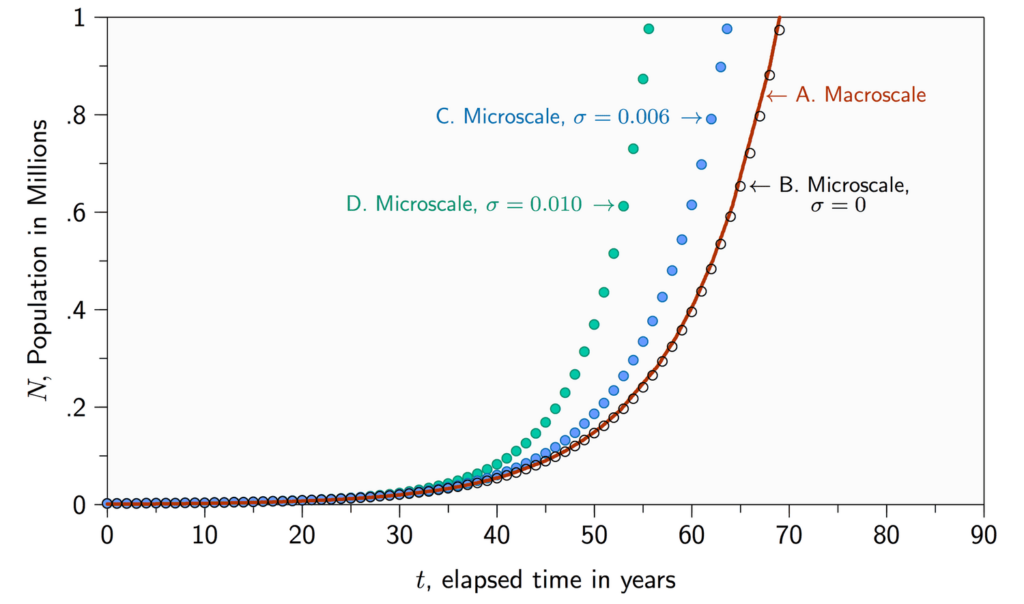
Income Growth:
Growth Mindset vs Settling Mindset

Scenario A: Growth Mindset
- Skill upgrades yearly
- Negotiates compensation
- Invests in assets
- Takes calculated risks
Scenario B: Settling Mindset
- Avoids change
- Stays underpaid
- Doesn’t upgrade skills
- Avoids uncomfortable opportunities
Over 10–15 years, the difference is not incremental.
It’s exponential.
A person who increases income by 8–12% annually through growth
compounds their earning power dramatically.
The one who stays flat at 2% annual raises barely keeps up with inflation.
Settling is not neutral.
It’s financially destructive.
(AD)

Trying to grow your small business and short on cash?
Let us help today!
Click button below:

Many small business owners are making a powerful shift in the way they do business
4. Mediocrity Is Expensive and Settling Causes Financial illness
Mediocrity feels harmless.
It’s not dramatic failure.
It’s not catastrophic collapse.
It’s average.
And average quietly kills momentum.
Author Jim Collins famously wrote about the danger of “good being the enemy of great.”
Mediocrity blocks excellence because it creates the illusion of adequacy.
In business and career:
- Average effort = average visibility
- Average service = average revenue
- Average thinking = average solutions
And average revenue does not create financial freedom.
5. The Laziness Trap
Let’s speak plainly.
Some settling is fear-driven.
Some settling is laziness disguised as “balance.”
Lazy decisions compound negatively:
- Skipping skill development
- Avoiding financial education
- Ignoring new technology
- Not improving marketing
- Not refining systems
Small laziness today equals large regret tomorrow.
Consider how quickly industries shift.
Companies like Netflix evolved from DVD mail services to global streaming giants.
Meanwhile, companies like Blockbuster settled into outdated models.
One embraced change.
One resisted.
One dominates.
One disappeared.
Settling in business is rarely survivable long term.
6. Fear-Driven Decisions Destroy Wealth and Causes Financial Illness
Fear says:
- “Don’t raise your prices.”
- “Don’t apply for that role.”
- “Don’t start that company.”
- “Don’t invest.”
- “Don’t speak up.”
But growth lives on the other side of fear.
Behavioral research popularized by Daniel Kahneman shows that humans are loss-averse.
We fear losing more than we value gaining.
So we stay small to avoid pain.
But here’s the hidden truth:
Avoiding short-term discomfort often creates long-term financial pain.
(AD)

Seeking a 24/7 virtual assistant to show off your products/services?

Searching for a way to relate to your visitors/customers better?
Reclaim your time and freedom back now! Join The Time Recovery Letter below:
7. The Compounding Effect of Settling
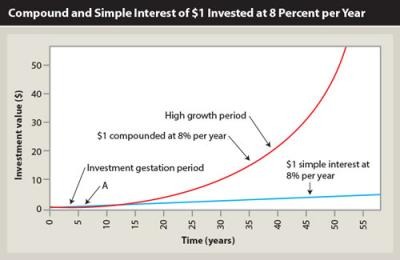
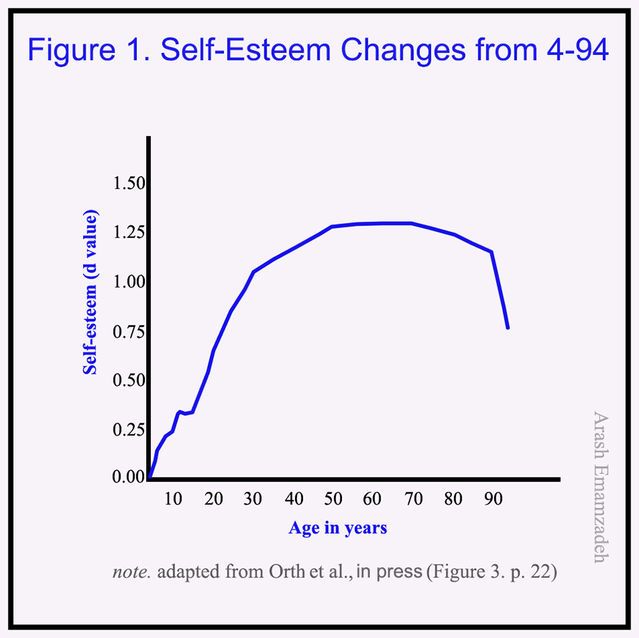
Let’s visualize this.
Compounding Confidence vs Compounding Regret
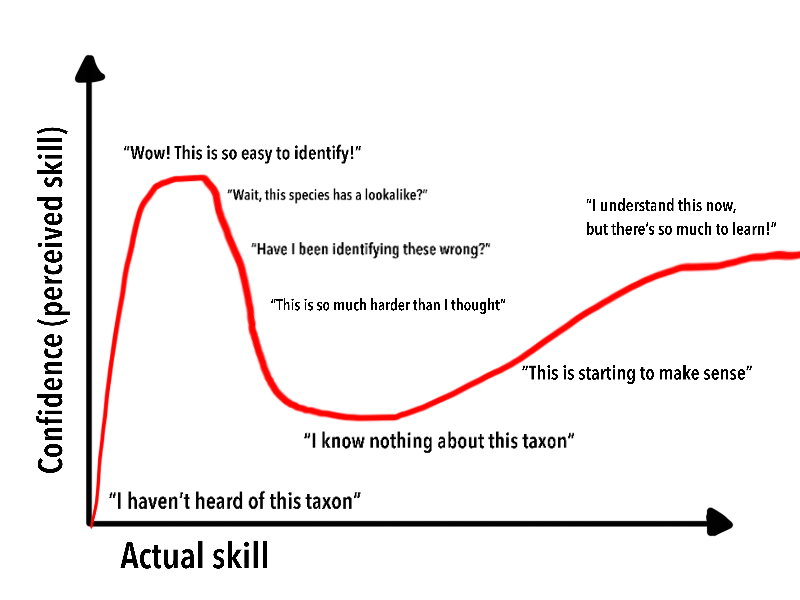
When you stretch yourself:
- Confidence increases.
- Skills increase.
- Income increases.
- Opportunity increases.
When you settle:
- Confidence declines.
- Skills stagnate.
- Income plateaus.
- Opportunity shrinks.
Both compound.
You’re compounding something — whether you realize it or not.
8. Settling Shrinks Identity and Causes Major Financial Illness
This may be the most dangerous part.
You don’t just lose money when you settle.
You lose identity.
You start telling yourself:
- “This is probably my ceiling.”
- “People like me don’t reach that level.”
- “I should just be grateful.”
Gratitude is powerful.
But gratitude without ambition becomes resignation.
High performers understand this distinction clearly.
Consider the discipline-driven mindset of Kobe Bryant.
He wasn’t satisfied with average practice.
He didn’t stop when he was “good enough.”
Excellence requires intentional discomfort.
Settling erodes that edge.
9. The Long-Term Wealth Gap
Let’s break it into numbers.
Assume two professionals:
Person A (Growth Oriented)
- Increases income from $60K to $120K over 10 years.
- Invests 20%.
- Builds assets.
Person B (Settles)
- Income grows from $60K to $70K.
- Saves minimally.
- Avoids investment risk.
The difference after 20 years?
Potentially millions.
Not because of luck.
Because of standards.
10. Settling in Business Owners
For entrepreneurs, settling is even more dangerous.
It shows up as:
- Underpricing services
- Accepting poor clients
- Tolerating low-performing staff
- Avoiding necessary systems
- Refusing to delegate
And eventually:
Burnout.
Why?
Because you can’t scale mediocrity.
The most effective companies build systems relentlessly.
Look at how Apple scaled precision and design discipline into global dominance.
Excellence is engineered.
Settling is a choice.
11. The Emotional Toll of Settling
Here’s the part few discuss.
Not only does settling causes major financial illness,
settling creates internal friction.
You know you’re capable of more.
You feel it.
But you silence it.
That tension turns into:
- Irritation
- Low-grade resentment
- Decreased motivation
- Financial stress
- Self-doubt
Over time, that emotional weight affects relationships, leadership, and health.
Financial illness becomes personal illness.
Follow Me On Instagram: Derrick M./@blogeducator
Follow Me On Linkedin:
12. The Warning Signs You’re Settling
Be honest with yourself.
You might be settling if:
- You haven’t raised your rates in years.
- You avoid difficult growth conversations.
- You consume more than you create.
- You justify comfort over challenge.
- You’re bored but unwilling to change.
Settling often disguises itself as stability.
But stability without growth becomes decay.
13. The Cure for Financial Illness Due to Settling
The cure is not reckless risk.
It’s disciplined elevation.
Here’s the framework:
1. Raise Your Standards
Decide your current level is not your final level.
2. Invest in Skill
High income follows rare skill.
3. Increase Exposure
New rooms create new ceilings.
4. Systematize Growth
Don’t rely on motivation. Build structure.
5. Make Fear a Signal
When something scares you (within reason), explore it strategically.
Settling is a form of a disease because it breaks the spirit down
and eventually attacks the cells of your body which paralyzes you to move forward in life and business.
14. The Hard Truth
Settling feels safe today.
But it mortgages tomorrow.
Comfort compounds weakness.
Challenge compounds strength.
There is no neutral.
Every year you stay in mediocrity:
- Your industry advances.
- Technology evolves.
- Competition sharpens.
And your edge dulls.
15. Your Financial Future Is a Decision and Why Settling Causes Financial Illness
The real danger of settling is not income loss.
It’s unrealized potential.
Your future self is either:
- Thanking you for disciplined growth
or - Regretting your comfortable excuses
This isn’t about hustle culture.
This isn’t about burnout.
This is about refusing to accept a lower ceiling than you’re capable of reaching.
# Final Reflection #
If this blog post made you uncomfortable, good.
Growth lives there.
Settling is subtle.
Financial illness is gradual.
But so is greatness.
The question is not whether you’re compounding.
The question is:
What are you compounding?
- Comfort or capability?
- Fear or skill?
- Mediocrity or mastery?
You cannot build extraordinary wealth with ordinary standards.
Raise them.
Your future depends on it.
The End.
Thanks for you time to stop by and check on this blog post.
Don’t forget to share it.
If you are stuck in your small business and know you can do more, join our “Time Recovery Letter below:
Leave a Reply