
Striking The Right Balance:
How Small Business Leaders Can Build Success Without Losing Their Life
There is a dangerous belief floating around entrepreneurship:
If you are not constantly working, you are not serious about your business.
So the small business owner works late.
Answers emails during dinner.
Checks the phone before getting out of bed.
Takes calls on days that were supposed to be off.
Carries business problems into family conversations.
Feels guilty while resting.
And eventually discovers something painful:
The business is growing, but life is shrinking.
That is not the kind of success most entrepreneurs dreamed about when they started.
You probably didn’t start your business because you wanted another boss.
You wanted greater control.
More freedom.
More choices and time with people who matter.
The opportunity to build something meaningful while creating a better life.
But somewhere between customers, payroll, marketing, sales, employees, bills, deadlines, and growth goals,
business can begin taking more than you intended to give it.
That’s why one of the most important leadership skills you can develop is learning by striking the right balance between building your business and actually living your life. 
Here in this leadership post, I’m going to share with you habits you can use to create harmony by striking the right balance between both worlds.
Ready to learn the methods? 
Good. Let’s go!
JOIN THE TIME RECOVERY LETTER TODAY: Protect your time at all cost!
Business Success Should Not Cost You Your Life-Striking The Right Balance
Imagine a business owner named Marcus.
Marcus spent years building his company.
He was proud of what he had created.
Customers respected him.
Revenue was improving.
Opportunities were appearing.
From the outside, everything looked successful.
But Marcus had developed a habit.
Whenever business called, life waited.
Dinner could wait.
Vacations could wait.
Exercise could wait.
Friends could wait.
His spouse could wait.
Sleep could wait.
Even his own peace could wait.
He kept telling himself:
“Once the business gets to the next level, I’ll slow down.”
But every new level created another level to chase.
One evening, Marcus finally sat at the dinner table without his laptop.
His phone was still beside his plate.
Halfway through dinner, it buzzed.
His hand automatically reached toward it.
His daughter looked at him and said:
“Dad, can you stay here tonight?”
Marcus was sitting three feet away from her.
But she was asking him to be there.
There is a difference.
And too many business owners discover that difference much too late.
The Hidden Cost of Being “Always On”
Small business leadership creates a unique kind of pressure.
When you own the company, there is always something you could be doing.
Another proposal. prospect, social media post.
Another improvement or another problem.
One more idea.
One more email.
Another opportunity.
The work is never truly finished.
Therefore, if your rule is:
“I can rest when everything is done,”
you may never rest.
This is where ambitious entrepreneurs can unintentionally turn dedication into self-neglect.
Your business receives your best energy.
Everyone else receives whatever remains.
Eventually, you receive whatever remains too.
That is not balance.
That is depletion disguised as commitment.
Balance Does Not Mean Working Less-Striking The Right Balance
This is where we need to make an important distinction.
Striking the right balance doesn’t mean becoming less ambitious.
It doesn’t mean ignoring customers.
It doesn’t mean lowering your standards.
Doesn’t mean shutting down at 2:00 every afternoon because someone on social media told you to “live your best life.”
There will be seasons when your business needs more from you.
A launch may require longer hours.
A crisis may require immediate attention.
Or a major customer opportunity may require temporary sacrifice.
Growth sometimes demands intensity.
But intensity should be a season—not your permanent operating system.
Healthy business-life balance means intentionally deciding when the business receives your attention and when your life receives it.
You stop allowing everything to compete at the same level of urgency.
Stop Measuring Commitment by Hours Worked
One of the biggest mindset shifts small business leaders can make is this:
Hours worked are not the same as value created.
You can spend 12 hours being busy without moving the business meaningfully forward.
Meanwhile, three highly focused hours spent improving your sales process, developing a key partnership, solving a customer problem, or creating a repeatable system could produce considerably greater value.
Leadership isn’t about proving how tired you can become.
It is about directing your energy towards work that matters.
Before automatically extending your workday, ask:
What actually deserves my attention today?
That question protects your business and your life.
Put Your Life on the Calendar Too-Striking The Right Balance
Business owners schedule everything important to the company.
Meetings.
Sales calls.
Appointments.
Deadlines.
Presentations.
Marketing campaigns.
But personal life is often treated differently.
“If I have time, we’ll go out.”
“If things calm down, I’ll exercise.”
“Hopefully nobody calls, I’ll spend Saturday with the family.”
This is the problem.
You’re protecting business commitments while negotiating personal ones.
Reverse that habit.
Schedule the things that keep you human.
Family dinners.
Exercise.
Reading.
Quiet mornings.
Date nights.
Travel.
Time with friends.
Personal hobbies.
Unstructured thinking.
Even periods where absolutely nothing productive needs to happen.
Your calendar reveals what your leadership actually values.
If something matters deeply, protect space for it before business consumes the space.
Create a Business That Doesn’t Need You Every Minute-Striking The Right Balance
There is another uncomfortable truth behind poor business-life balance:
Sometimes the owner has accidentally designed the business around personal dependency.
Decisions need approval.
Customer issue reaches the owner.
Employees need direction.
Every important relationship belongs to the owner.
Fire requires the owner.
Answer lives inside the owner’s head.
That doesn’t create freedom.
It creates captivity.
Start asking:
“What keeps requiring me that shouldn’t require me?”
Then examine whether that responsibility can be:
- Eliminated
- Automated
- Delegated
- Documented
- Standardized
- Scheduled
Every responsibility removed from unnecessary owner dependency creates capacity.
That capacity can be reinvested into strategy.
Or family, health, thinking.
Or absolutely nothing.
You don’t have to fill every reclaimed hour with more work.
Sometimes getting your life back is the return on investment.
(AD)

Business Has You Frustrated? Overwhelmed by day to day Task?

If You’re Short on Business Funding and The Banks Say No, Let Us Help!
Learn the Difference Between Important and Urgent
Everything feels important when you’re emotionally attached to your small business.
But everything isn’t.
Some things are important.
Some are urgent.
And some are both.
Some are simply loud.
A customer complaint may require immediate attention.
Refreshing your analytics for the 14th time probably doesn’t.
A payroll issue might need action.
Answering a noncritical email at 10:47 p.m. probably doesn’t.
A major client deadline deserves attention.
Responding instantly to every notification doesn’t.
Strong leaders learn to distinguish business necessity from business anxiety.
Ask yourself:
“What actually happens if this waits until tomorrow?”
Sometimes the answer will surprise you.
Nothing.
And that realization can become incredibly freeing.
Manage Your Energy, Not Just Your Time-Striking The Right Balance
You have 24 hours.
But those hours don’t contain equal energy.
There are periods when your mind is sharp.
Periods when creativity flows.
Periods when patience is high.
And periods when you are mentally drained.
Design your work around those realities.
Put your highest-value thinking inside your strongest hours.
Use lower-energy periods for administrative work.
Protect recovery.
Take breaks before your body forces them.
And understand that sleep isn’t wasted business time.
Rest isn’t laziness.
Exercise isn’t stealing from your company.
Enjoyment isn’t irresponsibility.
These activities help preserve the person responsible for leading the organization.
Your energy is a business asset.
Treat it accordingly.
Stop Taking the Business Everywhere
One of the hardest boundaries for entrepreneurs isn’t physical.
It’s mental.
You can leave the office at 5:00 and still carry the company around until midnight.
Your body is at dinner.
Your mind is solving tomorrow’s problem.
While watching a movie- thinking about revenue.
You’re supposedly relaxing while mentally rewriting a proposal.
You’re on vacation checking email every 20 minutes.
Physical absence from work isn’t necessarily psychological recovery.
Create an end-of-day ritual.
Before finishing work, write down:
What did I complete today?
What requires attention tomorrow?
Can this action wait tomorrow?
Then close the day.
You are giving your mind permission to stop carrying unfinished business through your evening.
Tomorrow’s problems will still be available tomorrow.
You don’t have to rehearse them all night.
(AD)

You Don’t Need More Time….You Need More Control Over It!

Wondering How To Take Your Small Business To New Heights?
JOIN THE TIME RECOVERY LETTER….Learn how to Protect it Better!
Define What “Enough” Looks Like-Striking The Right Balance
This may be the most important conversation ambitious leaders rarely have with themselves.
How much is enough?
Without an answer, growth becomes endless.
More revenue.
More customers.
Employees.
Followers.
Demographics.
More recognition.
More.
There is nothing wrong with wanting growth.
But growth without definition can become a treadmill.
Every achievement immediately becomes insufficient.
Your business grows while satisfaction keeps moving farther away.
Define success beyond money.
Success means having dinner with your family five nights a week.
It’s taking four real vacations every year.
Maybe it’s having Friday afternoons free.
Maybe it’s reaching a revenue target without exceeding 40 working hours.
Or it’s being able to attend your child’s activities without checking your phone.
Maybe it’s building a company capable of operating for two weeks without you.
Numbers tell the story how the business is performing.
Your life tells whether success is worth having.
Pay attention to both.
Give Yourself Permission to Enjoy What You’re Building
This sounds simple.
It isn’t.
Many entrepreneurs become so conditioned to pursuing the next objective that they forget how to enjoy the current one.
They reach $100,000 and immediately chase $250,000.
Reach $250,000 and chase $500,000.
Land the big client and immediately search for another.
Hire the employee and immediately worry about expansion.
Pause occasionally.
Look around.
Remember the version of yourself who once dreamed about reaching where you are today.
Celebrate progress.
Take the trip.
Go to dinner.
Buy the tickets.
Sit on the porch.
Laugh.
Travel.
Spend time with people you love.
Enjoy a Tuesday afternoon without feeling guilty about it.
You are allowed to experience the life your hard work is helping create.
FOLLOW ME ON INSTRAGRAM:
Build Your Business Around Your Life—Not Your Life Around Your Business
This is where leadership becomes intentional.
Ask yourself:
What kind of life am I actually trying to build?
Then design the business accordingly.
If freedom matters, create systems.
If family matters, protect family time.
If travel matters, develop remote operating capabilities.
If health matters, stop designing a schedule that requires sacrificing it.
If peace matters, stop accepting every opportunity simply because money is attached.
Your business model and your desired life should eventually begin supporting each other.
That doesn’t happen accidentally.
It happens by design.
The Right Balance Will Change-Striking The Right Balance
Balance isn’t a permanent formula.
Some weeks will lean heavily toward business.
Others should lean toward life.
There will be launches.
Emergencies.
Vacations.
Family situations.
Growth periods.
Quiet seasons.
The objective isn’t perfect balance every 24 hours.
Think of it as continuous recalibration.
When business has consumed too much, restore life.
When the business genuinely requires focused attention, step forward.
Then step back again.
Leadership maturity is knowing what season you’re in—and refusing to make a temporary season permanent. 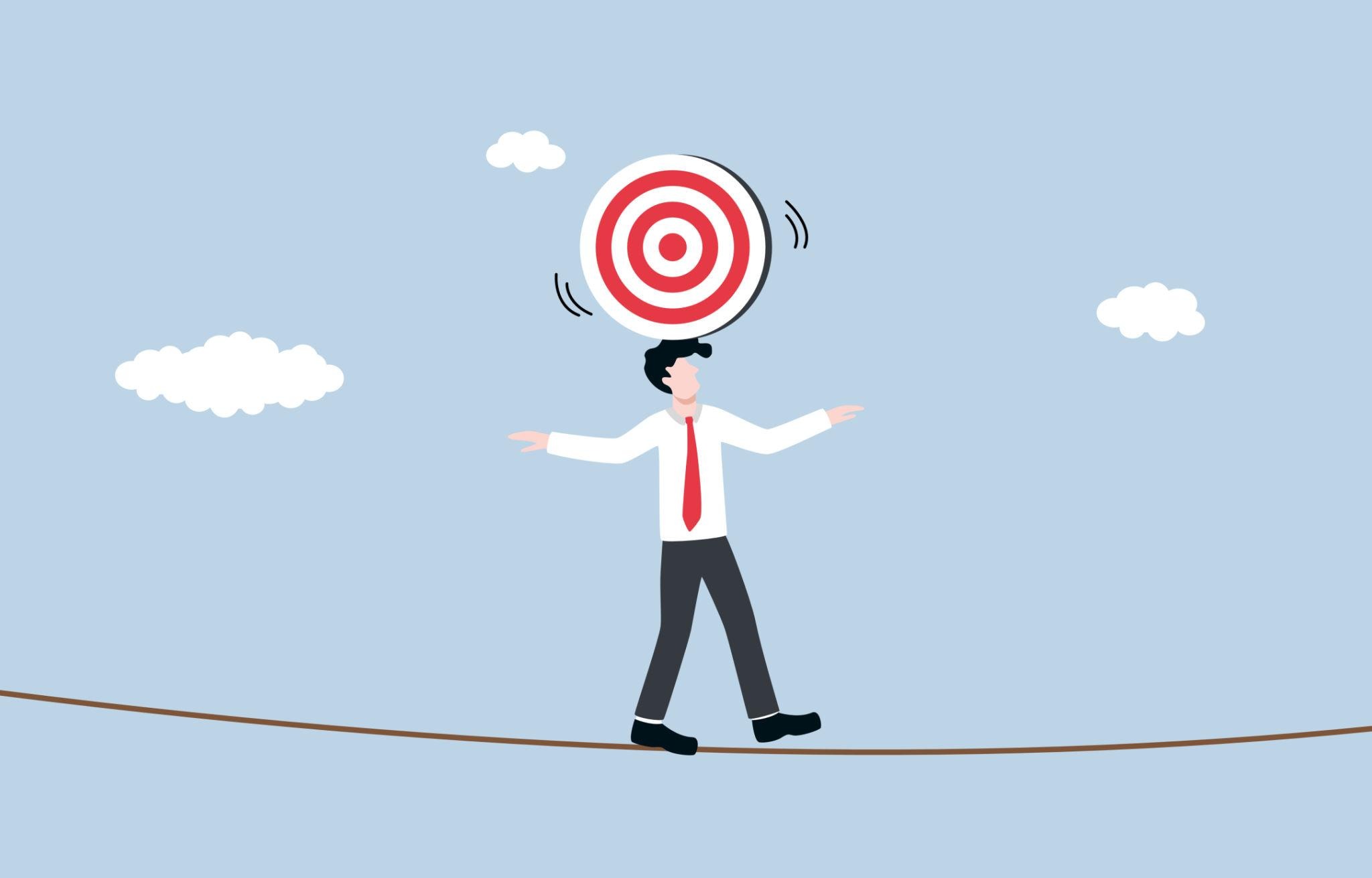
A Simple Business-Life Balance Check
At the end of each week, ask yourself five questions:
1. Did my business receive my best attention—or simply most of my hours?
2. Did the people who matter to me receive my presence?
3. Did I protect my physical and mental energy?
4. What consumed my time that someone else or a system could handle?
5. Did I actually enjoy any part of the life I’m working so hard to create?
Your answers will tell you more than another productivity app ever could.
Don’t judge yourself.
Adjust.
That is leadership.
Powerful Conclusion: Don’t Win the Business and Lose the Life
Small business leader, there will always be another mountain.
Another goal, customer, opportunity, challenge, dollar you could earn.
Or another hour you could work.
But there will not always be another dinner with the people sitting around your table.
There will not always be another childhood baseball game.
Or an anniversary.
Another summer.
Another conversation with your parents.
Or a happy-healthy year.
Another opportunity to be completely present in a moment that will never happen exactly that way again.
Build the business.
Build it boldly.
Do it intelligently.
Level it up profitable, respected, valuable, and enduring.
But don’t become so busy building your future that you become absent from your present.
The greatest victory isn’t building a company everyone admires while privately wondering where your life went.
The greater victory is reaching success with your relationships intact, your health respected, your spirit alive, and enough freedom to actually enjoy what you worked so hard to create.
Your business needs a leader.
Family needs you.
Dreams need ambition.
Body needs recovery.
Future needs financial strength.
Your present deserves to be lived.
You do not have to choose between building a great business and enjoying a great life.
But you do have to lead intentionally enough to protect both.
So close the laptop sometimes.
Silence the phone.
Take the vacation.
Eat the dinner while it’s hot.
Watch the sunset without turning it into content.
Laugh without checking the clock.
Be fully present with the people you love.
Then return to your business rested, clear, grateful, and ready to lead.
Because the goal was never simply to become successful.
The goal was to build a success you actually have time to enjoy.
The End.
Thanks for your time and energy to share with us here.
I hope you got some important takeaways from this leadership post.
Share it among those who are close to you.
Don’t forget to join my Time-Recovery Letter today. Get-it-here
Best regards,
Derrick M./ Small Business Strategist 
(AD)

How To Stay Mentally Sharp In This AI Craze?

Turn clarity into consistent progress—without working longer hours.

Restore the energy required to lead your business with clarity, focus, and calm authority.

Learn How To Captivate Your Audience’s Attention Every time!



Leave a Reply