
How to Tackle Major Projects
Learn how to tackle major projects with clear goals, realistic schedules, focused teams, and practical steps that protect your business.
Your Biggest Project Should Not Consume Your Entire Business-How to Tackle Major Projects
The project was supposed to move your business forward.
Instead, it follows you home.
Unfinished decisions fill your evenings.
Customer requests interrupt your planning.
Every conversation seems to add another task.
Perhaps you are launching a product, rebuilding your website, or opening another location.
The opportunity feels exciting.
The responsibility feels heavy.
Meanwhile, your current business still needs attention.
Customers expect reliable service.
Employees need directions.
Bills arrive on schedule.
A major project becomes dangerous when its demands exceed your ability to manage them.
Working longer can hide that problem for a while.
Eventually, exhaustion exposes it.
Strong leadership gives important work a clear purpose, a realistic plan, and firm boundaries.
Here is how to build those foundations.
JOIN THE HIGH-POWERED WISE-UP MARKETING LETTER….Get High-Performance Insights to Give Small Business The Boost It Needs:
1. Define the Business Result Before Listing the Tasks
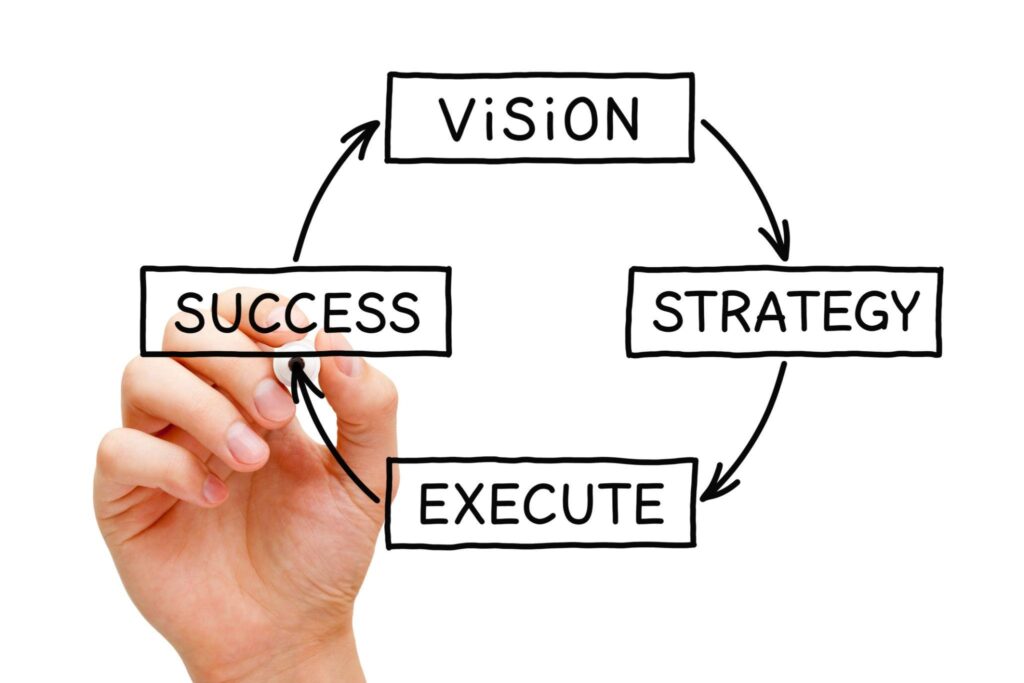
“Build a new website” describes something you will create.
It does not explain what the business should gain.
A stronger project statement might read:
“Launch a website that helps qualified prospects understand our service and request a consultation.”
Now your decisions have direction.
You can judge whether a feature helps visitors choose confidently.
You can also identify features that add expense without serving that purpose.
Before approving a major project, answer five questions:
- What problem are we solving?
- Who will benefit?
- What must we deliver?
- How will we recognize success?
- Why does this deserve attention now?
Separate the deliverable from the business outcome.
A working booking system is a deliverable.
Fewer scheduling errors is an outcome.
You need both.
Business Case Study: Amazon Starts With the Customer Experience
Amazon describes a development process called Working Backwards.
Teams define the intended customer experience before working backward toward what they should build.
A central tool is the PR/FAQ: a proposed press release and frequently asked questions.
Writing these documents helps teams examine customer benefits and challenge weak ideas before development. aboutamazon.com
The lesson for small businesses is practical:
Describe why the finished project will matter before committing resources.
You can apply this with one paragraph.
Explain the customer’s problem, your proposed improvement, and the difference customers should experience.
If that paragraph remains confusing, keep clarifying before spending.
Action step: Write this sentence:
“This project will help ______ achieve ______ by delivering ______.”
2. Set Boundaries Before Enthusiasm Expands the Work-How to Tackle Major Projects

Major projects often grow through reasonable requests.
Someone suggests another feature.
A supplier recommends an upgrade.
You discover something competitors offer.
Each addition sounds small.
Together, they change the deadline, workload, and cost.
This is scope creep: work expands without a matching adjustment to resources or expectations.
Create three categories before execution begins.
| Category | Website project example |
| Required for launch | Clear service pages, working contact form, mobile usability |
| Consider after launch | Additional articles, expanded resource section |
| Outside this project | New membership platform, complete product redesign |
An idea can be valuable without belonging in the current project.
When someone requests an addition, ask:
“What will this require, and what must change to accommodate it?”
Sometimes the right answer is approval.
Other times, it belongs in a later phase.
Business Case Study: LEGO’s Turnaround Plan Sharpened Its Focus
LEGO’s 2004 annual report described a strategy that brought its product range closer to the brand’s core idea.
The plan emphasized classic product lines, including DUPLO, LEGO City, and Technic. It also addressed development processes, lead times, and inventories. lego.com
A company turnaround differs from a small business project.
Still, the planning lesson applies:
Focus requires deciding what deserves resources.
For an overwhelmed owner, removing unnecessary work can make an important project manageable.
Action step: List three things your project will deliberately exclude.
3. Break the Project Into Milestones You Can Prove
“Work on the launch” is difficult to measure.
“Complete and test the checkout process” gives everyone a visible target.
A milestone marks a meaningful result.
Tasks are the smaller actions required to reach it.
For a new service launch, milestones might include:
- Customer problem and offer confirmed.
- Delivery process documented.
- Sales and payment materials tested.
- Pilot completed and reviewed.
- Service launched with support ready.
Each milestone needs evidence.
A draft document might prove that writing has started.
It does not prove that the service is ready.
Define completion carefully:
“The payment page is complete when a test customer can pay, receive confirmation, and access the correct next steps.”
This prevents different people from carrying different definitions of “finished.”
Project Planning Chart: Turn a Goal Into Visible Work
Illustrative example for a small service business.
| Milestone | Evidence of completion | Accountable owner |
| Define the offer | Written scope, price, and customer fit approved | Business owner |
| Build the delivery process | Checklist tested through a practice delivery | Operations lead |
| Prepare the purchase process | Successful test payment and confirmation | Website contractor |
| Run the pilot | Feedback collected and critical problems resolved | Project lead |
| Launch | Customer support and delivery capacity confirmed | Business owner |
One person may hold several roles in a small business.
What matters is that responsibility stays clear.
Action step: Divide your project into three to six meaningful milestones.
(AD)

You’re facing procrastination, decision-making delays and chaos that holding you back?
Here’s something special that may help!

Local Banks Deny Your Working Capital?
No, Worries. We Love To Help!
4. Schedule Around Real Capacity-How to Tackle Major Projects
Your calendar already contains commitments.
A project plan that ignores them creates an immediate conflict.
Consider this illustrative weekly workload:
| Commitment | Hours |
| Customer delivery | 22 |
| Administration and sales | 10 |
| Protected project work | 6 |
| Buffer for unexpected needs | 2 |
| Total | 40 |
Six project hours may feel modest.
They are still more useful than promising fifteen hours you cannot protect.
Where a 40-hour week goes
Illustrative planning example for a small business owner; not research data.

| Activity | Hours |
| Customer delivery | 22 |
| Admin and sales | 10 |
| Project work | 6 |
| Buffer | 2 |
Suppose your project requires an estimated 48 hours of work.
At six protected hours weekly, that represents eight weeks of work capacity.
Supplier delays, approvals, and dependencies may extend the calendar further.
The estimate will change as you learn.
Make those changes visible.
An ambitious deadline does not create additional capacity.
If the required work exceeds available time, you have decisions to make:
- Reduce the scope.
- Extend the deadline.
- Delegate suitable work.
- Pause another commitment.
- Add qualified support within your budget.
Action step: Schedule project blocks before announcing a completion date.
5. Identify What Must Happen First-How to Tackle Major Projects

Some tasks can happen together.
Others depend on earlier decisions.
Your designer may need approved messaging before completing the sales page.
Staff training may depend on a tested delivery process.
These relationships are called dependencies.
Ignoring them creates waiting, rework, and frustration.
Ask each person:
“What do you need before you can complete your part?”
Then identify the chain of work that determines the earliest possible finish.
Project managers call this the critical path.
For a small project, a simple list can be enough.
You do not need complicated software to recognize that packaging cannot be finalized before product dimensions are confirmed.
Action step: Mark every task blocked by another task.
Resolve the earliest important blockers first.
6. Give People Authority Along With Responsibility

Delegation breaks down when someone owns a task but cannot make necessary decisions.
Every small choice returns to the owner.
Soon, the owner becomes the project’s waiting room.
For each major deliverable, clarify:
- Who owns the result?
- What can they decide?
- What requires approval?
- What does acceptable quality mean?
- When should they raise a problem?
For example:
“You own the booking-page setup.
You can choose the layout within our approved design.
Changes to pricing or customer policies require my approval.”
That instruction gives useful freedom and clear limits.
Action step: Review one delegated task and remove an unnecessary approval step.
(AD)

How to Stay Mentally Alert In This AI Revolution!

You Don’t Necessarily Need More Time…..You Need More Control Over It!
JOIN THE HIGH-LEVEL WISE-UP MARKETING LETTER…..Get The Top Performance You Need to Raise The Bar In Your Small Business Today!
7. Test the Riskiest Assumption Early-How to Tackle Major Projects
A project can be beautifully organized around a mistaken belief.
Perhaps customers will not use the new system.
Maybe your team cannot deliver the promised service profitably.
Discovering that early protects your options.
Choose a small test that addresses the biggest uncertainty.
| Major project | Useful early test |
| Launch a course | Deliver a small paid workshop |
| Introduce new software | Pilot one workflow with a few users |
| Add a service | Run a limited pilot with clear terms |
| Change suppliers | Check samples and trial an order |
| Redesign a website | Observe people attempting key tasks |
A pilot provides evidence.
It does not guarantee that a full rollout will succeed.
Use what you learn to adjust the plan.
Action step: Complete this sentence:
“Before we commit further, we need evidence that ______.”
8. Review Progress Without Creating Meeting Overload
A weekly review should reveal what needs attention.
Keep the discussion focused:
- What was completed and accepted?
- What is blocked?
- What changed in scope, cost, or timing?
- What decision is needed?
- What must finish next?
Use a simple status chart.
| Status | Meaning | Leadership response |
| Green | Work is progressing within agreed limits | Continue and verify |
| Amber | A risk threatens the next milestone | Assign corrective action |
| Red | A major commitment is missed or no longer realistic | Decide what must change |
Agree on those limits before problems arise.
For example, an unresolved approval might turn amber when it threatens a dependent task.
Make honesty safe.
People should raise concerns while you still have time to respond.
Action step: Set one short weekly review and record decisions immediately
9. Finish the Draft Work and Check the Value-How to Tackle Major Projects
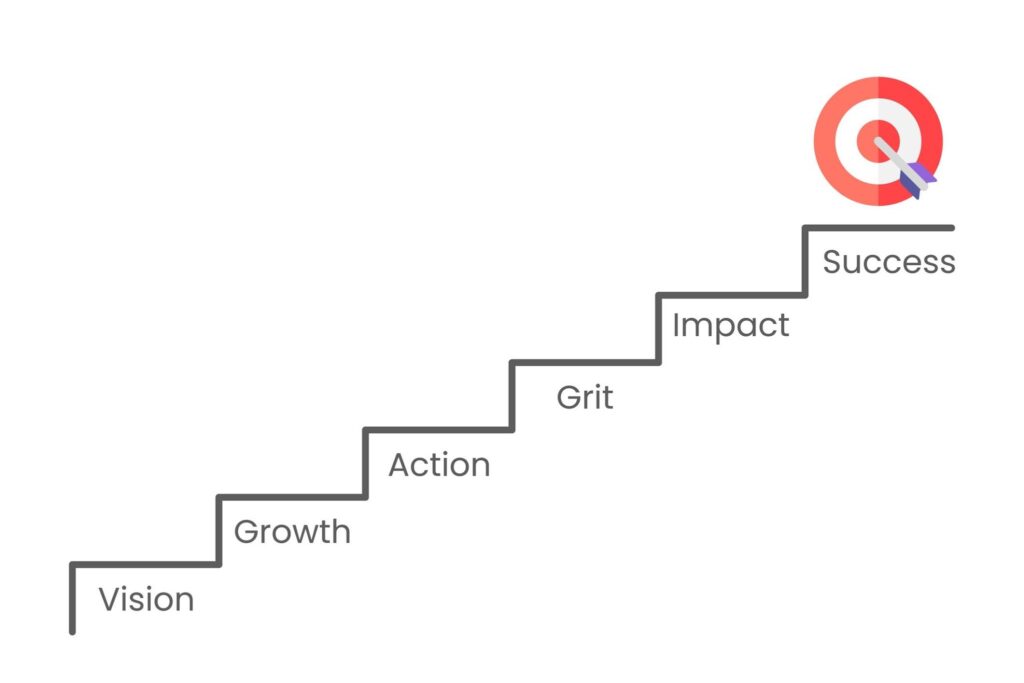
Launch day does not complete every responsibility.
Someone must maintain the system, answer questions, and handle problems.
Before closing the project, confirm that:
- Deliverables meet the agreed requirements.
- Necessary instructions and access are available.
- The ongoing owner understands their responsibility.
- Remaining issues have owners and deadlines.
- A date is set to review business results.
Then return to the original purpose.
Did the new booking process reduce errors?
Did the service launch attract suitable customers?
Did the workflow give your team time back?
Some outcomes take longer to measure.
Set a realistic review period.
Action step: Schedule a results review before declaring the project closed.
JOIN ME ON INSTAGRAM: @blogeducator
FOLLOW ME LINKEDIN:
JOIN ME WHATSAPP BUSINESS:
Conclusion: A Major Project Reveals How You Lead
Big projects expose the habits that daily busyness can hide.
Unclear priorities become conflicting instructions.
Avoided decisions become delays.
Weak boundaries become expanding costs.
Your team feels those effects.
Customers eventually feel them too.
Leadership means facing that reality early enough to act.
Define the result.
Protect the scope.
Give people ownership.
Test what you assume.
Address problems while they remain manageable.
The unfinished project on your desk does not need another promise that you will “get serious soon.”
It needs a decision, an owner, and a next step.
Choose those today.
Then lead the work through to completion.
Frequently Asked Questions About Tackling Major Projects
What should I do first when starting a major project?
Define the problem, intended result, and evidence of success.
Then confirm that the project deserves resources now.
How do I manage a project while running my business?
Protect a realistic number of weekly project hours.
Keep essential customer work covered, assign clear responsibilities, and limit competing commitments.
What should I do when a project falls behind?
Identify the cause before changing the deadline.
Check for unclear scope, blocked decisions, unrealistic estimates, or missing capacity.
Update the plan and communicate the effect.
Which project management tool should a small business use?
Choose a tool your team will consistently update.
A shared spreadsheet or task board can work when it shows owners, deadlines, dependencies, and status.
When should I stop a major project?
Consider stopping when its business purpose no longer holds, critical assumptions fail, or the remaining cost outweighs the expected value.
Past spending alone does not justify continuing.
Thanks for your time here at this leadership post.
I hope you gain more insight today and better understanding on how to tackle major projects with confidence.
Share this leadership post with your family, friends and business associates.
If you want to move your small business needle forward, join my “Wise-up marketing letter. Get high-powered results today!
Best regards and see you on my next leadership post,
Derrick M./ Small Business Strategist

(AD)

Wondering How To Gain The Audience You’re Seeking? Looking for ways to attract their attention?

Now That You Found Clarity, How Can You Stay Consistent?

Don’t Allow Your Schedule Throw Your Health Out of Whack?
Take Control Immediately!





Leave a Reply